
The Nine Arch Bridge: Engineering Marvel and Timeless Symbol of Sri Lanka
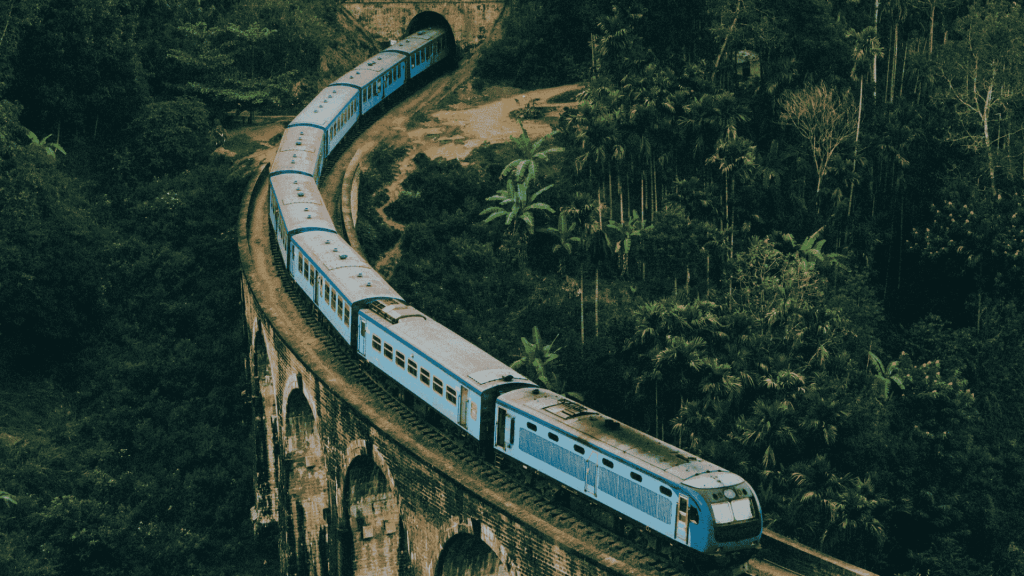
The Nine Arch Bridge is the most popular tourist attraction among the bridges in Sri Lanka. Thousands of tourists, both local and foreign, visit this bridge and its surroundings every year. It looked like a photographer’s paradise. Nestled in the lush hills of the Uva Province of Sri Lanka. This Nine Arch Bridge is a remarkable combination of engineering feats, colonial heritage and scenic beauty. Located between the Ella and Demodara railway stations. This structure has become a symbol of the country’s railway heritage and is often referred to by the locals. As the “Bridge in the Sky”. This heritage is a boon to the locals in strengthening their income sources.
In this article, we will explore the history, architecture and engineering, cultural significance, tourism and experiences of the Nine Arch Bridge, and finally its future and legacy.
History of the Nine Arch Bridge
British engineers built the Nine Arch Bridge during the colonial era as part of the upcountry railway line connecting Colombo to Badulla via Ella and Demodara. They completed the construction in early 1921 using only blocks of stone and cement. The 91-meter-long, 24-meter-high bridge has stood entirely without steel support, showcasing impressive human ingenuity. Because the First World War caused steel shortages, the builders constructed the arches and viaduct using stone, brick, and cement instead of steel. British engineers and local laborers designed and built the structure, with Harold Cuthbert Marwood of the Railway Construction Department serving as the chief designer. According to local tradition, the Sri Lankan builder P. K. Appuhami led much of the construction work in collaboration with the British engineers.
Engineering Wonders of the Nine Arches
The Nine Arch Bridge sits at approximately 6°52′36″ North and 81°03′40″ East. Builders constructed it majestically within a valley and forested environment between the mountains near Ella and Demodara. They built the bridge on the railway line using nine semicircular arches. The bridge stands on a curved and sloping section of the track. It remains unique because builders used only brick, stone, and cement-without any steel-yet it has stayed remarkably strong for generations. They created the foundation using a mixture of laterite (cabook) and boulders, which required precise and careful engineering.
The curvature and slope of the track, combined with the terrain, made this a challenging engineering project. The bridge had to be given a nine-degree curve and a significant slope. Most importantly, the bridge stands as a testament to colonial-era railway engineering, which combined imported engineering knowledge with local materials and labor, adapting to difficult terrain. It is also unusual and notable for not using steel in the construction of the arches.
Cultural and Symbolic Significance
The Nine Arch Bridge stands as a proud emblem of Sri Lanka’s hill-country railway heritage, gracefully uniting history, nature, and human ingenuity. Nestled amidst emerald tea plantations, lush forests, and mist-shrouded mountains. It has become a beloved icon for photographers, railway enthusiasts, and travelers from around the world. Often called the “Bridge in the Sky,” its timeless beauty captures the spirit of Sri Lanka’s colonial past and the charm of its scenic heartland. Today, the bridge and its surroundings are safeguarded as an archaeological protected site by the Department of Archaeology, ensuring that this living monument continues to inspire generations to come.
The Visitor’s Experience: Where Dreams Meet Rails
The Nine Arch Bridge is located between Ella and Demodara railway stations. The bridge is about 1.5–2 km from the Ella town center. Tourists mainly use the Ella Odyssey train to visit the Nine Arch Bridge. There are many sightseeing spots in and around the Nine Arch Bridge. Tourists have the opportunity to see and visit many waterfalls, forests and countryside, tea plantations, and mountains. As for the best time to visit and photography opportunities, Early morning or late evening are often the best times for lighting and to avoid the largest crowds. Watching the train passing over the bridge from the mountain road is a favorite pastime for many tourists.
Sustaining the Spirit of the Nine Arches
With the increasing number of tourists, several issues have arisen in the area, such as crowd management, tourist safety (walking along the railway tracks), and conservation of the surrounding environment. As a protected monument, the bridge requires regular maintenance to ensure its structural integrity and heritage value. There is also a need to balance tourism with natural habitats (tea plantations, forest slopes) and local community needs. As a local heritage site in Sri Lanka, the Nine Arch Bridge is a fine example of early 20th century bridge engineering that adapted to difficult terrain and material constraints. It demonstrates how local materials and craftsmanship can achieve impressive results even in the absence of standard resources (such as steel). Symbolically, the bridge connects the past and the present. A railway line built during the colonial era is still in operation, and the magnificent structure currently enriches the economy of Sri Lanka.
Final Thoughts
The Nine Arch Bridge is more than just a beautiful railway line. A local and international tourist attraction, the bridge is a testament to local craftsmanship and engineering, and a place where nature and human effort come together. It is a must-see for any traveler looking to witness the splendor of Sri Lanka’s high mountains.